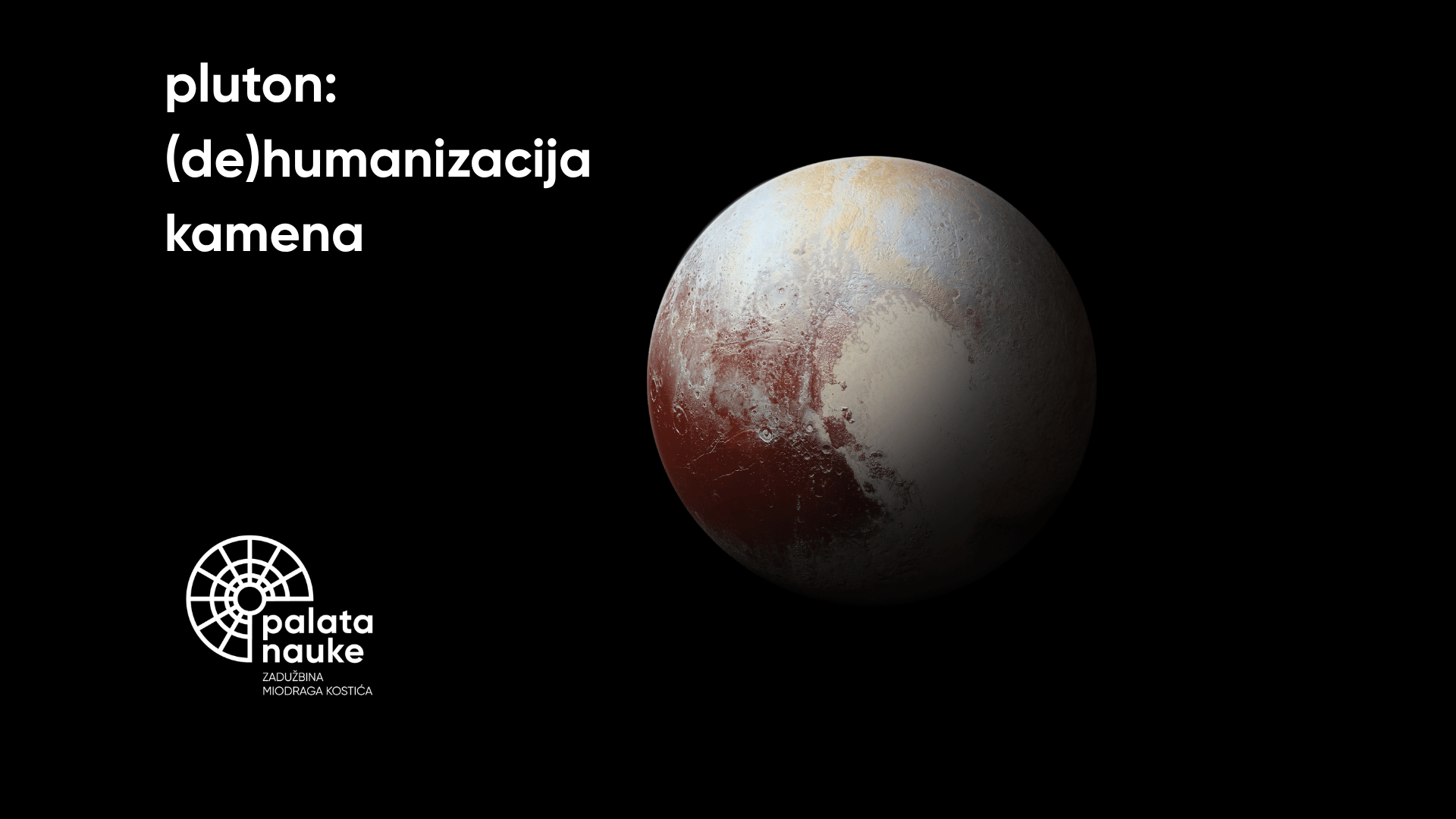
From the day it was discovered in 1930, it was clear that Pluto did not share the same characteristics as the other planets in our Solar System. Yet for nearly seven decades, it held the status of the ninth planet, until the discovery of Pluto-like objects in the outer Solar System led scientists to reconsider what actually makes a celestial body a planet.
In 2006, the decision to classify Pluto as a dwarf planet, in accordance with the latest developments in planetary science, sparked an unusual backlash among parts of the scientific community and the public. Now, twenty years later, there are calls to reopen the question of Pluto’s “status” in the Solar System. In light of this, the lecture will revisit the history of Pluto’s discovery while also exploring the question: why do we talk about reclassifying an icy dwarf in the Kuiper Belt using the language we would normally use to describe an injustice inflicted upon a living being?
Join us on October 28 for a conversation about how a silent, icy rock became a victim of “cosmic discrimination” — and why we sometimes find it easier to humanize astronomical bodies than to accept their scientific classification.
Admission to the lecture is free and no registration is required.