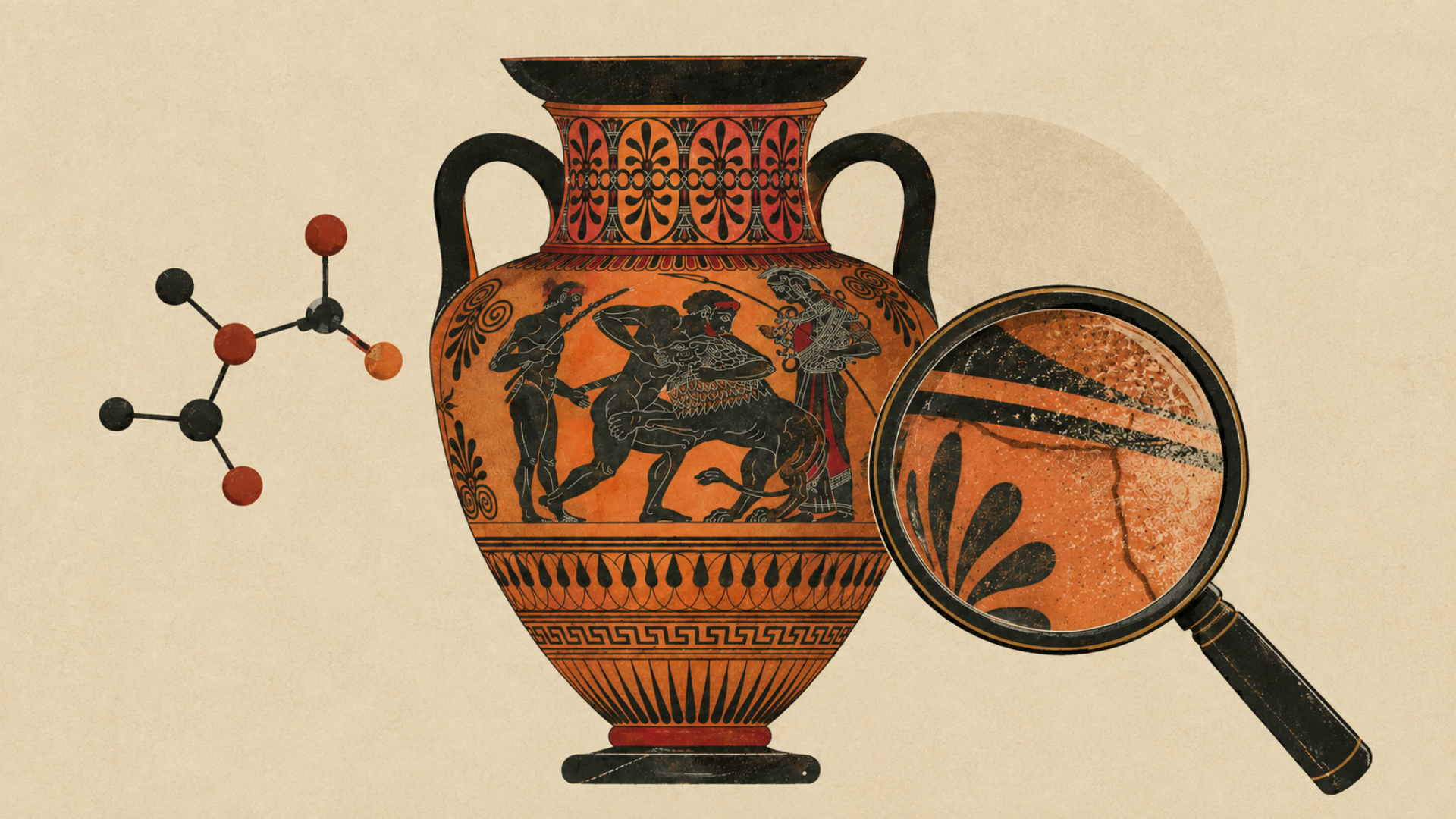
Discover the methods science uses to shed light on and help preserve our cultural heritage.
From pottery decoration techniques in Neolithic Vinča, to evidence of centuries of continuous pottery production at Studenica Monastery, and the technological differences revealing Byzantine and Ottoman influences, physical chemistry provides us with a key to understanding the past. By analysing the materials from which artefacts were made, we can uncover how they were produced, which raw materials were used, what techniques were employed to decorate them, and what cultural influences shaped their production.
On October 20, this topic will be explored by Ljiljana Damjanović-Vasilić, Full Professor at the Faculty of Physical Chemistry. Her research focuses on materials science and the physicochemical characterisation of artistic and archaeological artefacts, allowing ancient materials to “speak” about the time and circumstances in which they originated. She earned her PhD at the Faculty of Physical Chemistry and has built her professional career through research stays at the University of California, Santa Barbara, the CNRS Institute of Catalysis in Lyon, and Durham University in the United Kingdom.