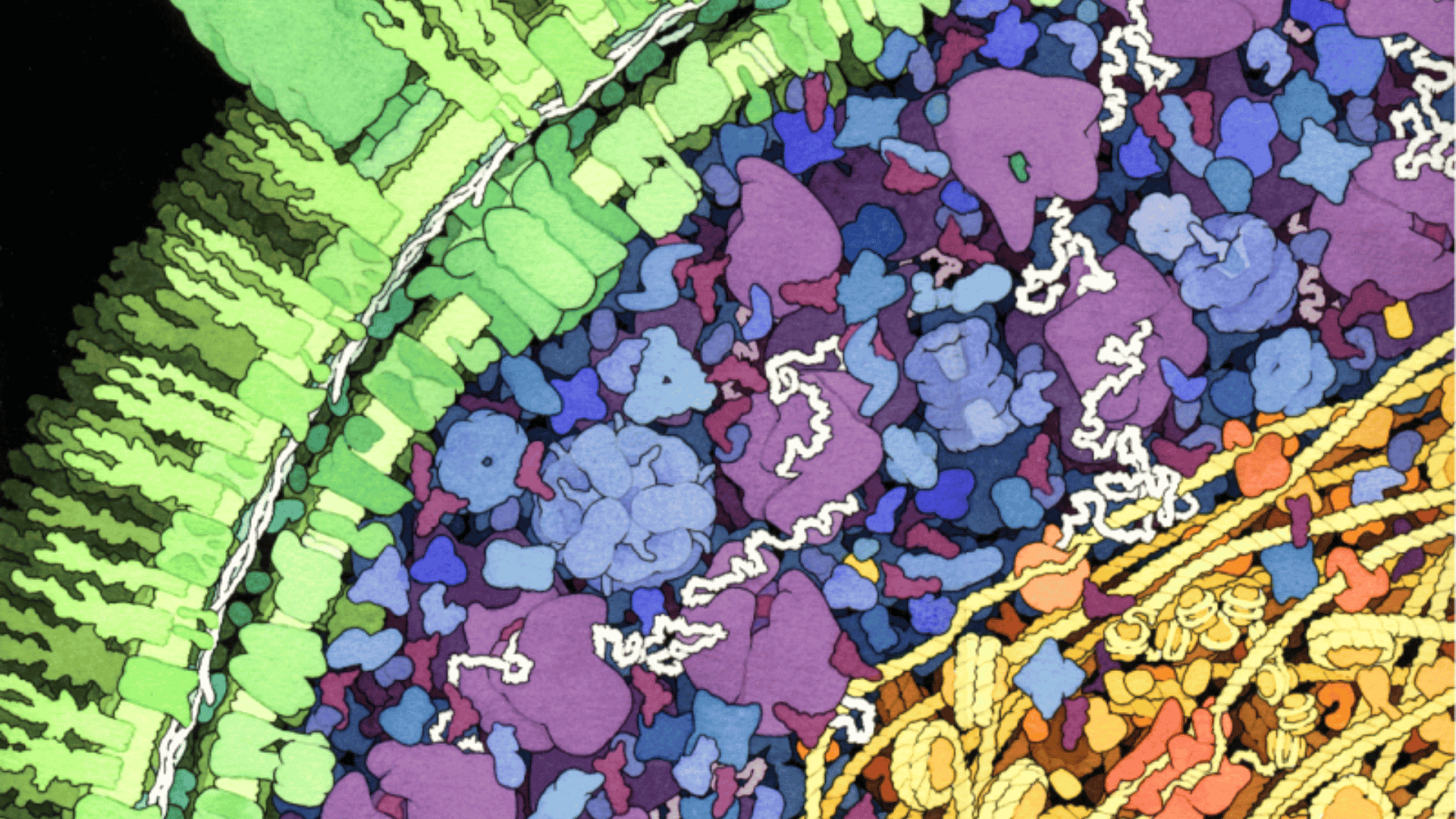
Through the story of metalloproteins, we discover that diversity is not only visible in the world around us — it is deeply woven into the very mechanisms of life, reflected in the diversity of functions, elements, and interactions that make life possible.
Metalloproteins are among the most fascinating building blocks of life, revealing the unity of physics, chemistry, and biology within every cell. These molecules, made of proteins and small metal ions such as iron, copper, or zinc, are astonishingly diverse: from hemoglobin in our blood that carries oxygen to enzymes in plants that enable photosynthesis, metalloproteins are essential to all forms of life. They act as catalysts, messengers, and transporters, enabling cells to breathe, grow, and respond to their environment. They are particularly intriguing because they operate at the boundary where physical laws shape chemical reactions, and chemistry, in turn, sustains life. Within cells, metalloproteins transform energy, guide electron flow, and stabilize complex reactions that would otherwise be impossible.
Physics explains how electrons move through these systems, chemistry reveals how metals bind and react, and biology shows how these processes are organized into networks that sustain life. This interaction is far from abstract, as it highlights the deep connection between Earth’s natural elements and the complexity of life.
In this lecture, we will explore how metalloproteins connect scientific disciplines and why they are important for understanding life, as well as for advancing medicine and modern technologies. Join us to discover how even the smallest processes shape life and how science helps us see what is invisible to the naked eye.
Admission is free and registration is not required.