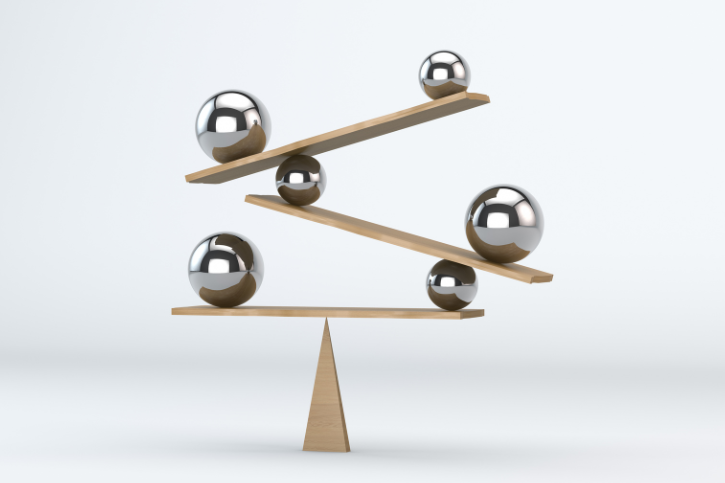
Happiness is one of the central issues of the human experience. Research shows that achieving happiness is one of the most common life goals that people cite, which is widely used by the modern self-help industry, offering numerous recipes for achieving it. Nevertheless, psychological research shows that the relationship between the pursuit of happiness and a real sense of well-being is much more complex than is commonly assumed. They show that happiness is not only a fleeting feeling of joy, but also a way of interpreting life as a whole. Interestingly, most people in the world report that they are relatively satisfied with their lives, even in very challenging socio-political circumstances, while at the same time believing that in the future they will be even happier than they are today.
The lecture will also present data on the subjective well-being of Serbian citizens: how happy we are, how it has changed over the last twenty years and what are the key factors of these assessments. Taking into account the phenomenon of the constant striving to increase happiness, as well as the processes of affective anticipation and hedonic adaptation, the evolutionary perspective makes a somewhat provocative assumption: human psychology has not even evolved to enable the achievement of happiness. Positive emotions signal that something is beneficial to our survival and that the current behavior should continue, but a sustained state of complete gratification would likely reduce the motivation to act and seek even more successful forms of adjustment. As a result, humans are constantly striving for new goals, such as greater material resources, higher social status or a more attractive partner, resources that have increased the chances of survival and reproduction throughout evolutionary history. Paradoxically, but precisely because of this, the constant search for happiness can diminish its experience. Psychology therefore offers a more modest but realistic message: happiness is not a state that is achieved once, but a dynamic balance between emotions, expectations, relationships with others, and a sense of meaning.
During the lecture, Dr. Ivana Jakšić will present an overview of psychological research that offers guidelines for establishing and maintaining this balance, including an evaluation of some of the popular self-help strategies. Admission is free, and registration is not required.